

A flavour profile that appeals to most people, not just experts
The wines that sell the most are rarely the most complex or the most adventurous. They tend to have a balanced flavour profile that is easy to recognise and enjoy, both for someone who drinks wine occasionally and for those who drink it more regularly. A young red wine with ripe fruit and soft tannins, or a fresh, well-integrated cava, is more likely to appeal to a broad range of palates than a wine heavily defined by ageing or unusual tasting notes.
This does not mean these wines are “simple” in a negative sense: it means they are well-balanced and approachable, without any harsh edges that might put off someone trying them for the first time.
A value for money that becomes clear from the first glass
Price matters, but it is not the only factor: what really turns a wine into a regular feature on the best-seller lists is the feeling, when you taste it, that you are getting more than you paid for. A Valdubón Roble or a Solar Viejo Tempranillo, for example, work well in this category because they offer clear varietal character and good structure without requiring the price tag of a long-aged wine.
That feeling of having made a “good purchase” is what turns a wine from a one-off trial into a bottle people buy again and again, which is ultimately what creates a bestseller.
Versatility: a wine that works for almost any occasion
Best-selling wines also tend to be the most versatile: they work equally well for a midweek dinner or for taking to a family lunch, without requiring too much thought about food pairing. A cava such as Panot Gaudí Brut, for example, works just as well as an aperitif as it does alongside a main course, greatly increasing the number of occasions when someone might choose to buy it.
This versatility makes the decision easier: the less you have to think about whether a wine “fits” the occasion, the more likely it is to become a go-to choice.
A recognisable grape variety
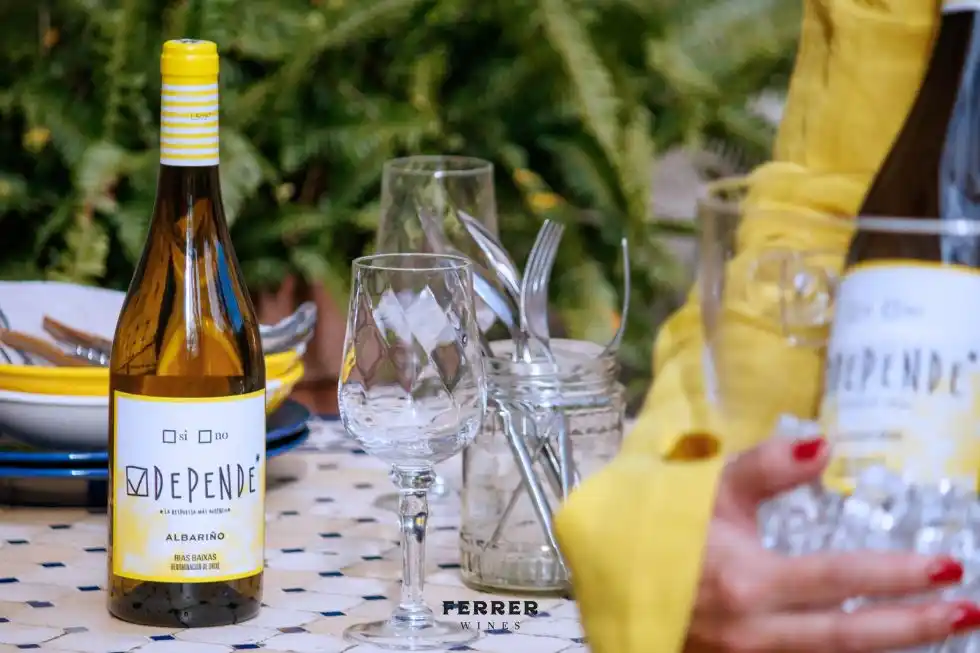
Tempranillo in red wines and varieties such as Albariño in white wines have an advantage over lesser-known varieties: once someone has tried them, they have a good idea of what to expect the next time. This familiarity reduces the perceived risk of buying a bottle, which is particularly relevant for people who buy wine regularly but are not experts in the subject.
Wines made from these varieties also tend to have a clearly defined flavour identity, making them easier to recommend and buy again — two factors that directly contribute to their position in the sales rankings.
Why looking at best sellers is not always the best strategy
Using the best-seller list as a guide is a good starting point, but it does not always lead you to the wine that best matches what you are looking for at a particular moment. A wine designed for ageing with greater complexity, or a less familiar grape variety, may never appear at the top of the ranking and could still be the perfect choice for a special occasion.
The best way to use a best-seller ranking is as a reliable starting point, not as your only reference. It can help you avoid a disappointing choice, but it is worth considering the occasion and your own personal taste as well.
Discover Ferrer Wines’ best-selling wines and find your next favourite bottle at ferrerwines.com.