

What makes an everyday wine different from one for special occasions?
An everyday wine does not have to be worse; it simply has a different purpose. These are usually young wines, without long ageing periods, designed to be enjoyed soon after purchase and without the need for decanting or a special glass. Their strength lies in fresh fruit and easy drinking, rather than the complexity sought in a wine intended for ageing.
This does not mean compromising on quality: it means prioritising other qualities, such as a wine that is ready to enjoy as soon as it is opened and a price that makes it easy to buy again without having to think twice.
Price: how much does it make sense to spend on an everyday wine?
There is no single figure that works for everyone, but there is a useful rule of thumb: an everyday wine should be something you can buy regularly, rather than an occasional exception to your budget. Young wines such as Valdubón Roble offer that balance: clear varietal character, good structure and a price designed for regular consumption rather than a specific occasion.
Spending more than necessary on your everyday wine can lead to one of two things: either you buy wine less frequently and lose the habit, or it becomes an expense that takes up more of your weekly budget than it should.
Grape varieties that work well for regular drinking
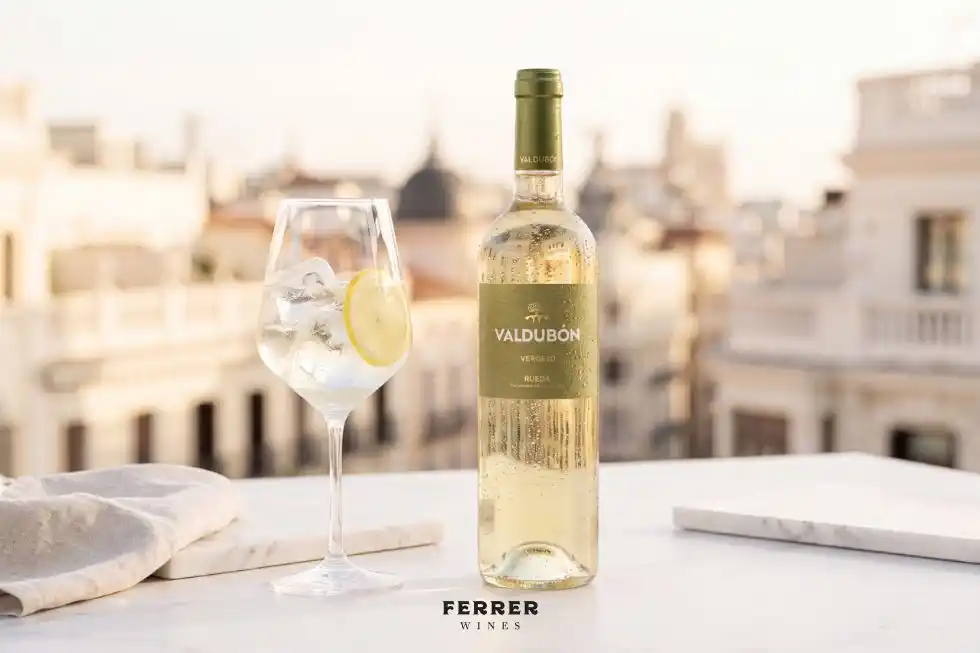
Young Tempranillo is one of the most reliable varieties for everyday drinking: ripe fruit, soft tannins and an easy-to-recognise profile from one glass to the next. For white wines, Verdejo offers freshness and balanced acidity, making it ideal for lighter weekday meals without allowing the wine to overpower the food.
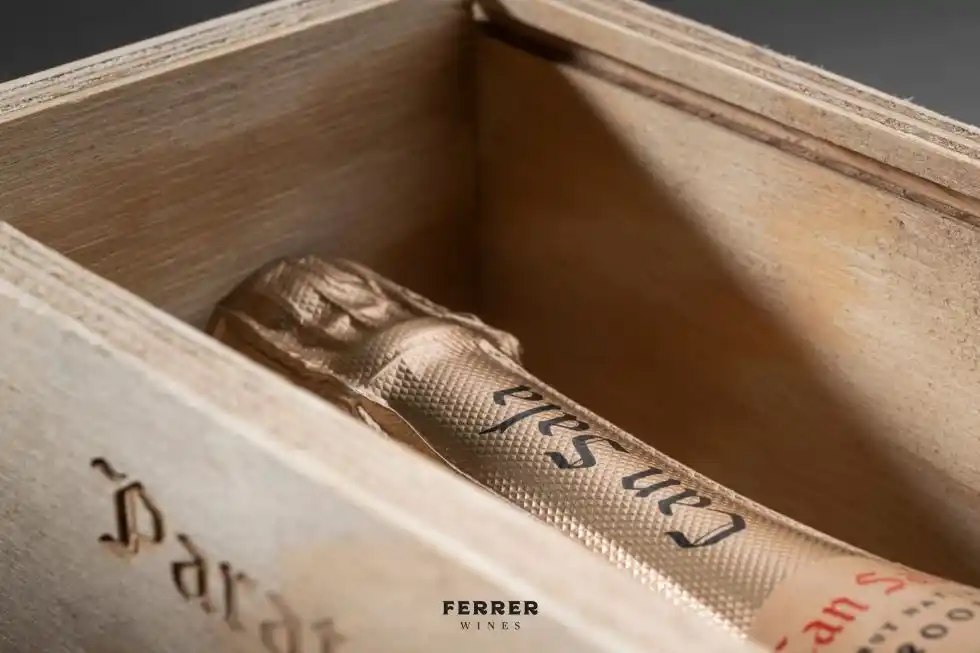
Cava also has its place in everyday drinking, beyond celebrations: a fresh, well-balanced Brut, such as Panot Gaudí Brut, works perfectly as a midweek aperitif, without having to wait for a special date to open the bottle.
How to store a wine bought for regular consumption
When you buy wine regularly, it makes sense to always have a bottle or two on hand. For young everyday wines, there is no need for a specialised wine cellar: simply store them in a cool place, away from direct sunlight and sources of heat, and drink them within the first few months or the first year after purchase, as they are not designed for long-term ageing.
Buying several bottles of the same wine when you find one you enjoy is a good strategy for everyday drinking: it makes deciding what to open easier each time and is often more economical than buying one bottle at a time.
How to avoid always drinking the same wine
The risk of having one fixed “everyday wine” is falling into a routine and missing out on new discoveries. A good way to avoid this is to alternate between two or three wines with similar profiles —for example, a young Tempranillo, a Verdejo and a Brut cava— and rotate them depending on the day or the meal, while still having a reliable option close at hand.
Discover the wines designed for everyday enjoyment from Ferrer Wines and find your next go-to bottle.