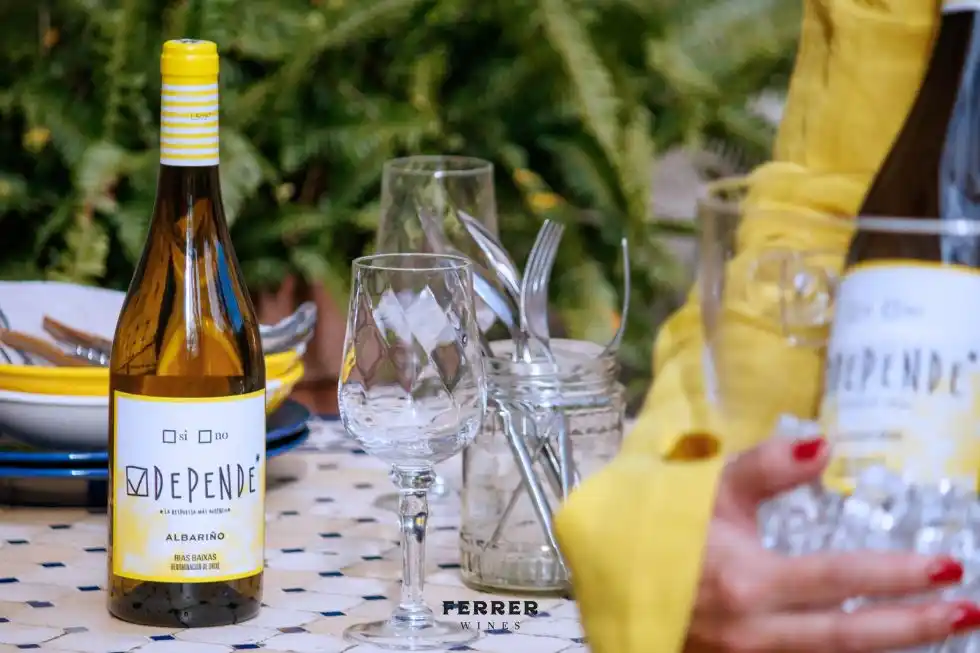



The world of wine is fascinating and diverse, but when it comes to choosing a bottle, many people wonder: How to know if a wine is of quality? There are multiple factors that determine if a wine is truly exceptional, from its origin and production process to its taste and aging capacity.
In this guide, we will explore the main criteria to identify a quality wine, highlight some of the most important appellations of origin, and give you practical tips to find the best Spanish wine for every occasion.
When searching for an exceptional wine, we need to pay attention to several essential elements. It’s not just about the price or the label, but about specific factors that determine its authenticity and excellence.
One of the first signs of quality in a wine is its origin. In Spain, Denominations of Origin Protected (D.O.P.) ensure that the wine meets strict production standards and is made with grapes from a specific region.
The main D.O.P.s in Spain include:
A quality wine is visually distinguished by its clarity and color. A young red will have violet tones, while an aged red will show ruby or garnet colors. In whites, a straw yellow tone indicates freshness, while golden tones reflect aging.
The best wines present complex and balanced aromas. A good red wine may have notes of red fruits, spices, and wood, while a quality white will stand out with floral and citrus aromas.
The balance between acidity, sweetness, tannins, and alcohol is essential. A good wine should not be too acidic or too dry. Its finish should be persistent and pleasant.
Spain is one of the world’s largest wine powers and offers a great variety of exceptional wines. But, how to know which is the best Spanish wine for you? The key is to know the regions, varieties, and styles.
Spain has over 70 denominations of origin, each with unique characteristics. Some of the most notable include:
Each region works with specific grapes that influence the personality of the wine:
Knowing these regions and varieties will make it easier for you to choose a quality Spanish wine that suits your tastes and needs.
Selecting a good wine can be overwhelming, especially if you don’t have much experience. To ensure you make the right choice, follow these tips:
Although more expensive wines are often of better quality, there are affordable options with excellent value for money. Don’t dismiss a wine just because it’s inexpensive; research before buying.
The most important information on a label includes:
The more information the label provides, the more transparency in its production.
The harvest year can influence the quality of the wine. Some years offer better climatic conditions than others, resulting in more balanced wines. In regions like Rioja or Ribera del Duero, certain vintages are especially valued.
Don’t limit yourself to one style. Try young wines, crianza, and reservas to find out which one best suits your palate.
A quality wine is even more enjoyable when paired with the right food. Here are some classic pairings:
Choosing the best Spanish wine for each occasion can transform a meal into a complete sensory experience.
To ensure you get a quality wine, it’s important to know where to buy it. Here are some recommendations:
Wine shops offer personalized advice and a carefully curated selection of Spanish wines.
Visiting a winery allows you to learn firsthand about the production process and taste different styles before purchasing.
Many wineries and distributors sell directly online, with home delivery options. Websites like Vinissimus or Bodeboca offer a wide variety of quality wines.
Some large chains have specialized sections where you can find well-selected wines.
Buying in the right place ensures you receive a wine in optimal condition with certified origin.