

Some wines are instantly associated with a territory, a climate and a way of life. Rías Baixas albariño is one of them: a fresh, aromatic Atlantic white wine that has gone from being a local Galician treasure to one of the most recognised and sought-after Spanish wines, both at home and abroad. Understanding what lies behind that recognition —the territory, the grape variety, the way it is made— is the best way to fully appreciate it when it reaches the glass.
In this article we look at why Rías Baixas albariño has such a distinctive character and how to get the most out of it at the table.
Rías Baixas is a designation of origin in southern Galicia, in the province of Pontevedra, set in a landscape of estuaries, granite, eucalyptus and Atlantic green unlike any other Spanish wine region. The climate is oceanic: abundant rainfall, mild temperatures all year round, high humidity and a soft, filtered light very different from that of the Mediterranean or the Meseta. These conditions, which elsewhere would make it hard for grapes to ripen, are precisely what give albariño its personality here.
Vines in Rías Baixas are grown on a high trellis system —the plants are trained on pergolas more than a metre and a half off the ground— which improves airflow around the bunches, reduces the risk of the fungal diseases typical of humid climates and allows the grapes to ripen with a balance between sugar and acidity. The granite soil, poor in nutrients but good at retaining moisture, adds the mineral touch that tasters easily recognise in the best wines of the appellation.
Albariño is a native variety of north-western Iberia, historically related to varieties from northern Portugal, where the famous vinhos verdes are made. It is a thick-skinned grape with small bunches and high natural acidity, which makes it especially resistant in a humid climate and allows it to keep its aromatic freshness even in the warmest vintages.
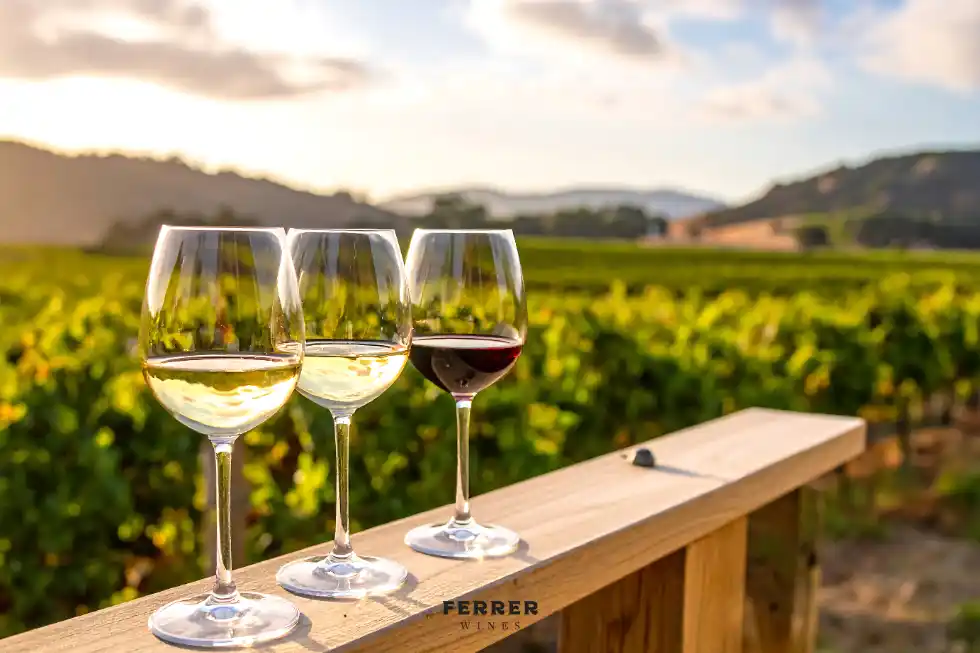
In the glass, Rías Baixas albariño shows a pale yellow colour with greenish tints, a fine bead when young and a very recognisable aromatic profile: stone fruit such as peach and apricot, citrus (grapefruit, lime, lemon), white flowers and a mineral, slightly saline background reminiscent of iodine and sea breeze. On the palate it is fresh, with vibrant acidity and a medium body that makes it very easy to drink, yet with enough personality to accompany dishes with character.
It is precisely this combination —freshness, aroma, salinity and acidity— that explains why this wine has won over markets as demanding as the United States, Japan and Scandinavia, where Atlantic white wines pair perfectly with the local cuisines.
Albariño is one of the most versatile wines in Spanish gastronomy, especially with anything from the sea. Its most classic and successful pairings are:
Beyond these classic pairings, albariño works very well as an aperitif wine, especially young, very fresh styles served well chilled, between 8 and 10 ºC. It is also gaining ground on international tables as an alternative to better-known whites such as New Zealand sauvignon blanc or Italian pinot grigio, sharing their freshness but surpassing them in aromatic complexity and sense of place.
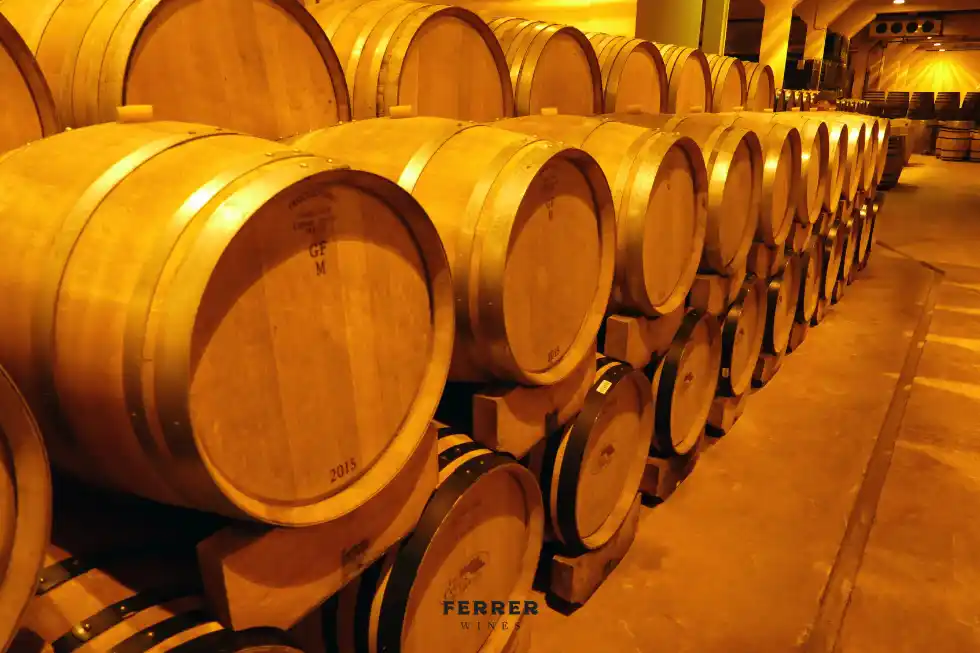
The most widespread image of albariño is that of a young wine, bottled the spring after the harvest and ready to drink within the year. It is the most popular style and the one that best captures the freshness and aromatic intensity of the variety. But there is also an albariño for ageing, made with more ambitious winemaking criteria —barrel fermentation, ageing on lees, even some time in oak— that produces more complex, fuller-bodied wines with an ability to evolve in the bottle that surprises those who approach them thinking albariño is always a wine to drink straight away.
These albariños with longer winemaking and ageing open up a new dimension of the variety: notes of honey, wax, nuts and gentle spices, with acidity that remains the backbone but is integrated into a rounder, more persistent whole.
Within the Ferrer Wines project, the appellation is represented by Vionta, the group’s Galician winery specialising in albariño. Bringing Vionta into the portfolio is not just a commercial decision to add an Atlantic white to a range dominated by sparkling wines and inland reds: it is a recognition that Rías Baixas has an identity of its own, hard to reproduce anywhere else, and that albariño is a variety that deserves the same level of attention and care as the great Tempranillos of Rioja or Ribera del Duero.
In a wine group that stretches from the Penedès to Mendoza, by way of Champagne and Priorat, Vionta brings the fresh, Atlantic counterpoint that balances the portfolio and connects with consumers looking for white wines with character, personality and a story behind them as solid as that of any great Spanish red.
This wine has been growing in exports and international recognition for years, and everything suggests that the trend still has a long way to go. Global demand for fresh, aromatic white wines with a strong sense of place has never stopped growing, and albariño meets all those requirements with an authenticity that cannot be manufactured: it comes from a specific territory, a specific grape variety and a centuries-old tradition that gives it a cultural depth that is hard to imitate.