Wine tourism in Spain has become an unparalleled experience for wine lovers. With a rich winemaking tradition, Spain offers a variety of wines that differ according to the region, climate, and grape varieties. Talking about the best wine in Spain means diving into a world of flavors, aromas, and landscapes that invite exploration. From north to south, each region presents its own identity and unique characteristics.
The diversity of wine regions in Spain
Spain is the third-largest wine producer in the world, with more than 70 denominations of origin. Some of the most recognized are:
- Rioja: Known for its high-quality reds, made from Tempranillo grapes.
- Ribera del Duero: Famous for its intense and complex wines, with a predominance of Tempranillo.
- Rías Baixas: This Galician region is famous for its fresh and aromatic Albariños.
- Priorat: Recognized for its powerful reds, made with Garnacha and Cariñena.
- Jerez: The birthplace of the famous Sherry wine.
Each region stands out for the type of wine it produces, its landscapes, culture, and history, making wine tourism an enriching experience.
The role of climate and terroir
Climate plays a crucial role in wine production. In Spain, various climatic conditions affect grape cultivation. From the Mediterranean climate in the east and south to the Atlantic climate in the north, each region presents a unique terroir that influences the flavor and quality of the wine. For example:
- High temperatures in the south allow for optimal grape ripening, resulting in wines with high alcohol content.
- Rainfall in the north provides a cool environment, ideal for varieties like Albariño.
The type of soil also plays a fundamental role. Regions like Priorat, with its slate, produce wines with distinctive minerality, while in Rioja, clay and limestone soils contribute to the elegance of their reds.
The most outstanding grape varieties
Grapes are the essence of wine, and in Spain, there is a wide variety worth knowing. Some of the most notable are:
- Tempranillo: The star grape of many regions, especially in Rioja and Ribera del Duero.
- Albariño: Ideal for fresh white wines in Rías Baixas.
- Garnacha: Used in reds and rosés, it is very versatile.
- Monastrell: Predominant in the southeast, it produces full-bodied wines.
- Verdejo: The base of the whites from Rueda.
Knowing these varieties is essential for enjoying wine tourism and choosing the best wine in Spain that suits every palate.
Wine tourism activities
Wine tourism in Spain is not limited to wine tasting. Wineries offer various activities to enrich the visitor’s experience:
- Guided tours: Learn about the wine production process.
- Wine tastings: Learn to appreciate the different nuances of each wine.
- Gastronomic pairings: Enjoy local cuisine accompanied by the right wine.
- Bicycle tours: Explore vineyards and enjoy the landscape actively.
These activities allow you to learn more about wine and foster the enjoyment of the culture in each region.
Exploring wine routes in Spain is a unique opportunity to discover the best wine in Spain and enjoy a sensory experience that combines landscapes, flavors, and tradition. Each visit is a new adventure that invites you to keep learning about the fascinating world of wine.
The best wine in Spain: Highlighted regions and varieties
1. La Rioja: The heart of Spanish wine
La Rioja is one of the most emblematic regions in the production of the best wine in Spain. Known for its reds, the Denomination of Origin Calificada La Rioja offers a wide range of wines, from young to reserve. The most cultivated varieties are:
- Tempranillo: Ideal for producing full-bodied reds.
- Garnacha: Adds freshness and elegance to wines.
- Viura: Used for producing fresh whites.
Visiting wineries in La Rioja allows you to taste the best wine in Spain and enjoy local cuisine, rich in products like the famous Riojan chorizo.
2. Ribera del Duero: Intense and powerful wines
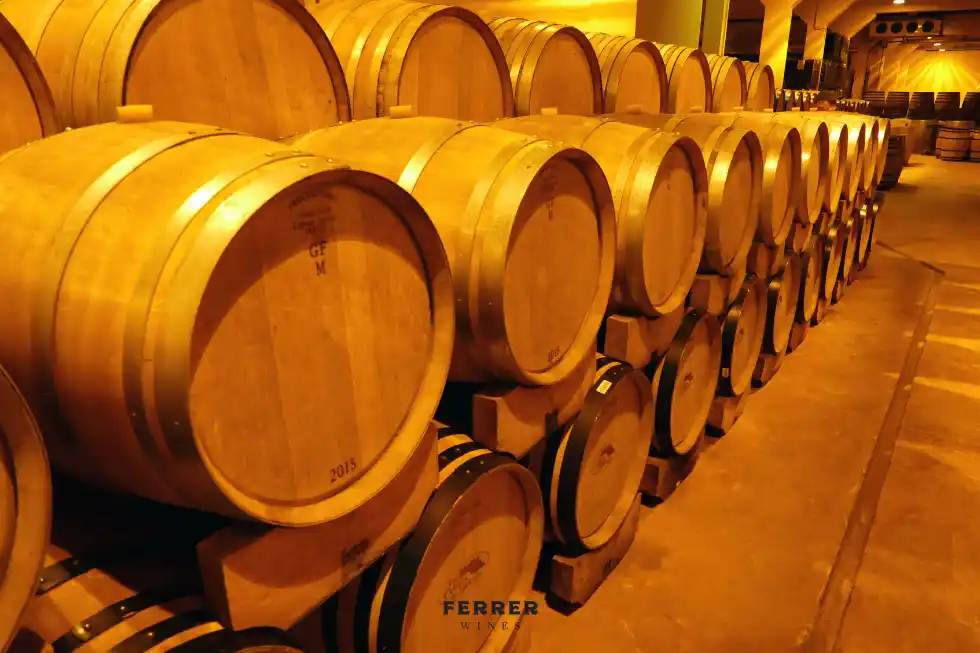
Ribera del Duero stands out in the Spanish wine scene. Here, the Tempranillo grape is cultivated at its fullest expression. Ribera del Duero wines are known for their structure and complexity, ideal for aging in barrels. This region has won numerous awards and recognitions, establishing itself as a benchmark for wine tourism in Spain.
3. Priorat: A unique terroir
Priorat, in Catalonia, is famous for producing high-quality red wines, characterized by their minerality. The predominant grape varieties are:
- Garnacha: Adds concentration and intense fruity character.
- Carignan: Contributes to the structure of the wines.
4. Rías Baixas: Refreshing white wines
In the northwest of Spain, Rías Baixas stands out for its white wines made primarily from the Albariño variety. These wines are fresh, fruity, and perfect for pairing with seafood, making them an ideal option for wine tourism. The Denomination of Origin Rías Baixas has grown in popularity due to the quality of its wines and its attractive landscape.
Wineries in Rías Baixas offer tours that include tastings and pairings with typical Galician dishes.
Exploring wine routes in Spain allows you to enjoy the best wine in Spain with all your senses. From the aroma and taste to the landscape and culture of the wine regions, each experience is unique. Wine tourism is not just about tasting exceptional wines but also immersing yourself in the history and traditions surrounding each bottle.