Cava is no longer a wine reserved only for occasional celebrations. Today, it is part of fine dining, special dinners, and moments that deserve more than just any glass. Within this universe,
premium cavas hold a privileged place: they represent the highest expression of quality, care in production, and respect for time.
But how can you truly recognize a high-quality cava? What makes it different from a more standard one? In this article, we explain the key factors you should consider to identify an authentic premium cava and enjoy it with confidence.
What we mean by premium cavas
When we talk about
premium cavas, we refer to sparkling wines made using the traditional method (second fermentation in the bottle) that stand out for their long aging, rigorous grape selection, and meticulous production.
It is not just about price. A premium cava is distinguished by:
- Selected vineyards
- Low yields
- Long aging in bottle
- Strict control at every stage of the process
- Aromatic complexity and balance on the palate
It is a product designed to move you and offer a complete experience.
The importance of time: aging makes the difference
One of the most decisive elements in
premium cavas is the time they spend aging in the bottle in contact with the lees (yeasts).
The longer the aging:
- The more aromatic complexity develops
- The better the bubble integration
- The creamier the texture on the palate
- Notes of toasted bread, nuts, and brioche appear
While a young cava may have a minimum aging of 9 months, premium cavas usually far exceed this period, reaching 30, 36, or even more months.
Time brings depth, elegance, and persistence.
The bubble: a key indicator of quality
One of the most visible details in a high-end cava is its bubble.
In
premium cavas, the bubble is usually:
- Fine and constant
- Well integrated
- Persistent in the glass
- Elegant, without aggressiveness
A coarse or overly effervescent bubble often indicates less integration. In contrast, a delicate bubble reflects patience and careful production.
Origin and grape selection
The vineyard is the starting point. The best premium cavas come from vineyards with specific characteristics:
- Selected plots
- Low yield per hectare
- Manual harvesting
- Strict ripeness control
The traditional cava grape varieties (Xarel·lo, Macabeo, and Parellada) remain essential, although some premium productions incorporate Chardonnay or Pinot Noir to provide additional complexity.
Vineyard care translates directly into quality in the glass.
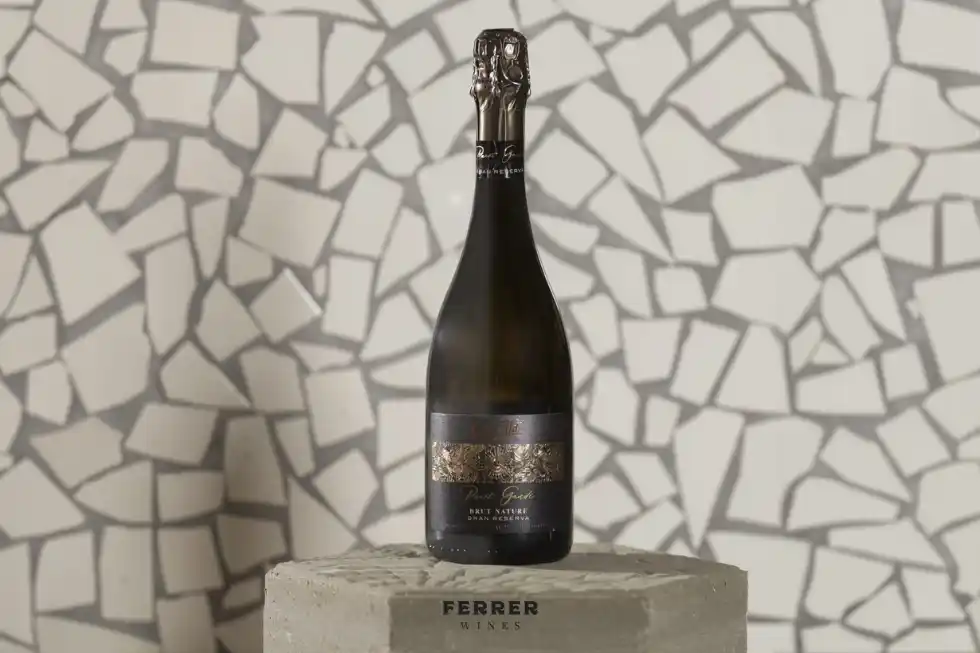
Brut Nature and dosage: balance and purity
Many
premium cavas are made in Brut Nature style or with very low sugar dosage. This allows the wine to express its character without masking defects.
A high-quality cava:
- Does not need sugar to achieve balance
- Shows aromatic purity
- Presents well-integrated acidity
- Has a long and clean finish
Low dosage requires greater precision in production, which is why it is common in premium ranges.
Single Estate Cava: the highest expression
Within the world of cava, there is a superior category: Single Estate Cava (Cava de Paraje Calificado). This classification recognizes cavas from a single vineyard with unique characteristics.
Premium cavas in this category meet very strict requirements:
- Unique and delimited vineyard
- Minimum vineyard age
- Limited yields
- Longer minimum aging
- Exhaustive quality evaluation
This label represents excellence within Spanish cava.
How to taste a premium cava
To identify an authentic premium cava, it is important to observe three aspects:
Appearance
- Bright and clean color
- Fine and persistent bubble
- Golden tones in longer-aged cavas
Aroma
- Aromatic complexity
- Notes of ripe fruit, toasted bread, and nuts
- Absence of simple or aggressive aromas
Palate
- Creamy texture
- Balance between acidity and structure
- Long persistence
- Elegant finish
A premium cava should leave a lasting impression, not just effervescence.
Premium cavas and gastronomy
Far from being limited to toasts,
premium cavas are excellent partners at the table.
They pair perfectly with:
- Seafood and quality fish
- Rice dishes
- White meats
- Mediterranean cuisine
- Aged cheeses
- Even fine dining dishes
Their gastronomic versatility is one of their greatest strengths.
Price and value: it’s not just about cost
A premium cava usually has a higher price than a standard one, but that does not mean it is inaccessible. What matters is the value it provides:
- Longer production time
- Rigorous raw material selection
- Limited production
- Recognition and awards
Investing in a high-quality cava is investing in an experience.
Common mistakes when choosing premium cavas
Some common mistakes include:
- Choosing based only on price
- Not checking the aging time
- Not considering the style (Brut Nature, Extra Brut, etc.)
- Serving it too cold, losing nuances
Details make the difference.
Tips to enjoy a premium cava
- Serve between 8 and 10 ºC
- Use a tulip-shaped or wide glass, not a narrow flute
- Open carefully, without abrupt movement
- Allow it to breathe for a few seconds before tasting
These small gestures enhance the experience.
Luxury is in the detail
Premium cavas represent the excellence of the traditional method applied with patience and precision. They are the result of selected vineyards, long aging, and a production process that respects time as a fundamental ingredient.
Recognizing a high-quality cava is not difficult when you know the indicators: fine bubbles, aromatic complexity, balance, and persistence. Beyond the toast, a premium cava is a complete sensory experience, designed for those who value detail and authenticity.