Pasta is one of the most versatile and beloved dishes in the world. Simple or sophisticated, with mild or intense sauces, it always has a place at the table. But there’s one detail that can completely transform the experience: choosing the right
wine for pasta. It’s not just about pairing the dish, but about creating harmony where flavors and aromas enhance one another.
In this article, we explain how to choose the right wine depending on the type of pasta and its sauce, with clear examples and practical tips so every meal becomes a small gastronomic journey.
Why is it important to choose the right wine for pasta?
Although pasta may seem easy to pair, the truth is that its pairing depends almost entirely on the sauce and ingredients that accompany it. A tomato-based pasta is not the same as a carbonara, nor is a Bolognese the same as a seafood pasta.
Choosing the right wine allows you to:
- Highlight the flavors of the dish without overpowering them
- Balance fats, acidity, and texture
- Add freshness or structure depending on the recipe
- Turn an everyday meal into a special experience
The
wine for pasta should adapt to the dish, not the other way around. That’s the key to a great pairing.
Pasta with tomato sauces: acidity and balance
Tomato sauces are the most common and also among the trickiest to pair. Tomato has a natural acidity that needs a wine capable of matching it without tasting flat.
Recommended wines
- Young red wines with good acidity
- Wines made with Tempranillo or Garnacha
- Light, fresh reds with low tannins
A young red wine works very well with pasta dishes such as:
- Spaghetti al pomodoro
- Pasta arrabbiata
- Traditional lasagna
- Pasta with meatballs
The fruit in the wine balances the tomato’s acidity and adds roundness to the whole. Here, a
wine for pasta that’s too powerful could dominate the dish, so it’s better to choose more agile options.
Pasta with meat: structure and depth
When pasta is served with meat, especially in long-cooked, concentrated sauces, the wine should have more body. The fat and intensity of the dish call for wines with structure and some aging in oak.
Recommended wines
- Aged red wines (crianza)
- Wines made from Tempranillo or Tinta del País
- Reds with spicy notes and rounded tannins
Dishes such as:
- Pasta Bolognese
- Beef ragù
- Meat cannelloni
- Pasta stuffed with lamb
Find their best match in an oak-aged red that adds complexity without eclipsing the meat’s flavor. In these cases, the
wine for pasta acts as a natural reinforcement of the dish.
Pasta with creamy sauces: smoothness and harmony
Sauces based on cream, butter, or cheese require a different approach. The challenge here is balancing the richness of the dish without adding heaviness.
Recommended wines
- White wines with good acidity
- Whites aged on lees
- Very soft reds with low tannins
Dishes such as:
- Carbonara
- Fettuccine Alfredo
- Four-cheese pasta
- Pasta with mushrooms and cream
Work especially well with structured whites or even some whites fermented in oak. The acidity cleanses the palate and prevents the dish from feeling overly heavy.
Choosing the right
wine for pasta in this case makes the difference between a balanced meal and a heavy sensation.
Pasta with seafood or fish: freshness above all
Seafood or fish pasta calls for fresh, aromatic wines with good acidity. Here, whites truly shine.
Recommended wines
- Young white wines
- Albariño and other Atlantic-style whites
- Whites with a citrus and mineral profile
Ideal for:
- Pasta with clams
- Spaghetti alle vongole
- Pasta with prawns
- Pasta with salmon
The wine’s freshness matches the seafood’s texture and enhances its natural flavors. In these dishes, a
wine for pasta red wine is usually out of place, unless it is very light.
Pasta with vegetables: versatility and freshness
Vegetarian pasta dishes offer many pairing possibilities, as they usually have lighter, more aromatic profiles.
Recommended wines
- Fresh white wines
- Balanced rosés
- Very fruity young reds
Dishes such as:
- Pasta with roasted vegetables
- Pasta al pesto
- Pasta with spinach and ricotta
- Pasta with zucchini and herbs
Benefit from wines that accompany without imposing. Here, the
wine for pasta should be fresh, expressive, and easy to drink.
Stuffed pasta: pay attention to the filling
With ravioli, tortellini, or cannelloni, the filling is what matters most. The wine should be chosen based on that main ingredient.
- Meat fillings: smooth aged reds (crianza)
- Cheese fillings: structured whites
- Vegetable fillings: fresh whites or rosés
- Mushroom fillings: light reds or fuller-bodied whites
This type of pasta allows for more play with pairing, as long as you respect the dish’s intensity.
Common mistakes when choosing wine for pasta
Even with the best intentions, there are frequent mistakes worth avoiding:
- Choosing wines that are too tannic for delicate dishes
- Using very high-alcohol wines with light recipes
- Not taking the sauce into account
- Serving the wine at the wrong temperature
A good
wine for pasta should add to the experience, not compete with it.
Practical tips to get it right every time
- Think about the sauce first, not the pasta
- Match the wine’s intensity to the dish
- Prioritize balanced, food-friendly wines
- Don’t be afraid to try whites with dishes traditionally paired with red wine
The experience improves when you taste, compare, and enjoy without rigid rules.
Wine as part of the experience
Pasta is a social dish, made to share. Choosing the right wine turns a simple meal into a special moment. The
wine for pasta doesn’t have to be complex or expensive, but it should be coherent with the dish.
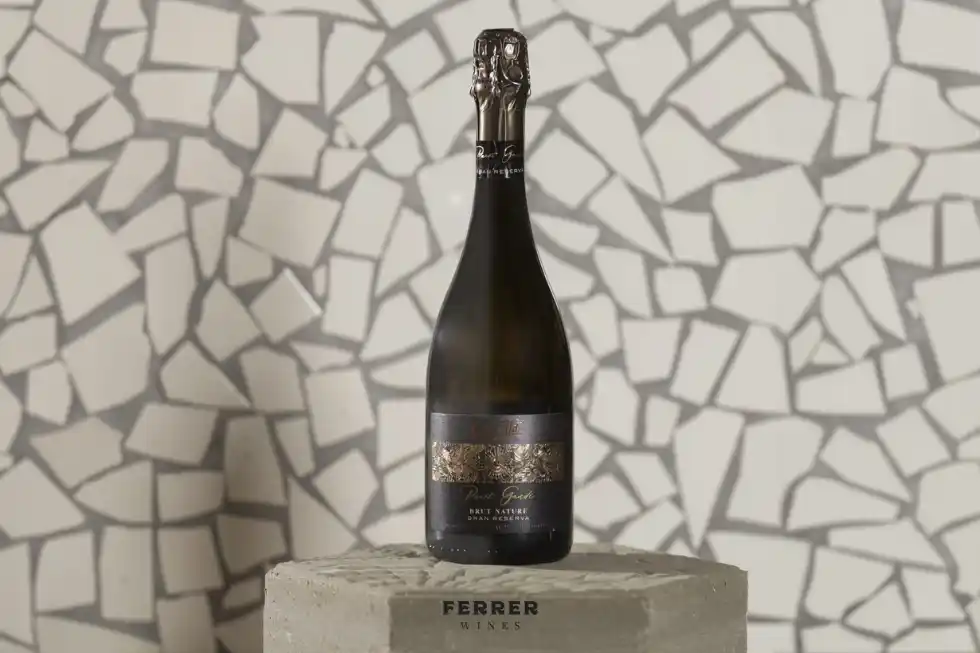
At Ferrer Wines you’ll find a wide selection of wines designed for the table, made to pair with food and be enjoyed without complications. From young reds to fresh whites and aged wines, there’s an ideal option for every pasta recipe.
The perfect pairing lies in balance
The art of pairing isn’t about following strict rules, but about understanding the dish and choosing a wine that complements it. Pasta, with its enormous variety of styles, invites exploration and the discovery of surprising combinations.
Choosing the right
wine for pasta is a way to care about the details, enjoy more, and turn every meal into a complete experience. Because when wine and dish understand each other, the result is always better.