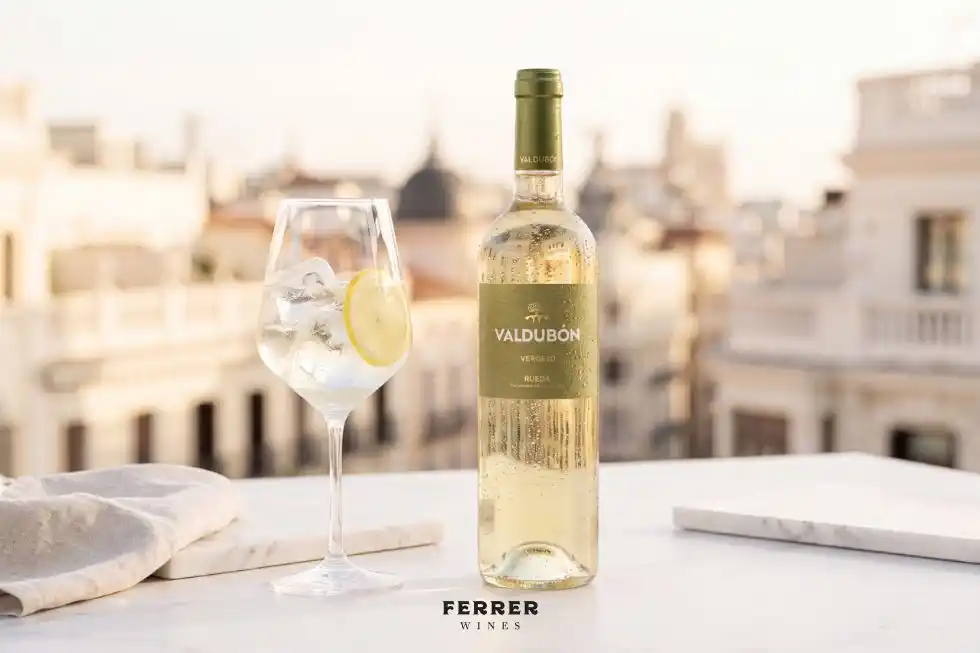
Spring invites us to head out to the terrace, improvise get-togethers, and enjoy small moments outdoors. And if there is a perfect companion for those occasions, it’s a good
cava for aperitif. Fresh, vibrant, and food-friendly, cava has the ability to awaken the palate and set the tone for what comes next.
Choosing the right cava for a spring aperitif is not a matter of chance. The bubbles, acidity, and style directly influence how it pairs with tapas, seafood, cheeses, or light bites. In this guide, we explain how to choose it and which styles work best when warm weather starts to settle in.
Why cava is ideal as an aperitif
Cava has characteristics that make it a natural choice to open any meal:
- Fine bubbles that cleanse the palate
- Good acidity that stimulates the appetite
- A fresh aromatic profile
- Gastronomic versatility
A good
cava for aperitif awakens the senses without overwhelming them. It doesn’t seek excessive protagonism, but rather balance and harmony.
In addition, spring temperatures favor this type of sparkling wine. Served between 6 and 8 ºC, it feels light, refreshing, and very enjoyable from the first sip.
Cava styles that work best in spring
Not all cavas are the same. For a spring aperitif, it’s best to choose fresh and balanced styles.
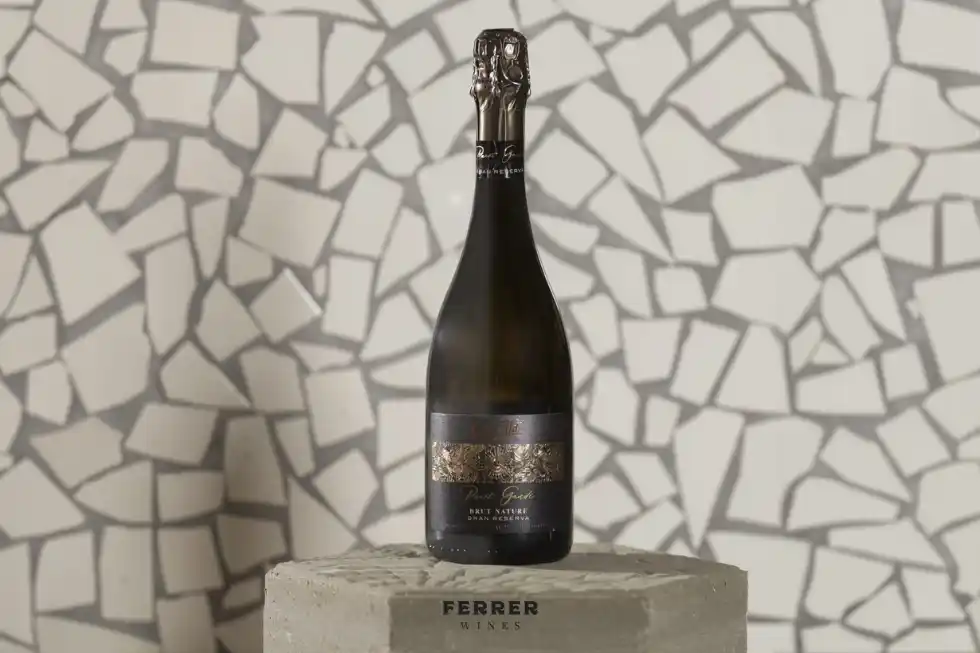
Brut Nature
With very little or no dosage of sugar, it offers purity and freshness. It is perfect for those looking for a dry, clean profile.
Brut
A light balance between freshness and a soft touch of sweetness. It is one of the most versatile styles as a cava for aperitif.
Reserva
With longer aging, it brings more complex notes without losing freshness. Ideal if the aperitif includes more elaborate bites.
Each style offers a different experience, but all can fit if chosen correctly.
Spring aperitifs and their ideal cava
Spring brings lighter dishes and fresher flavors. Here are some pairings that work especially well:
Seafood and delicate fish
A Brut Nature cava enhances freshness without overshadowing the product.
Iberian cured ham tapas
A Brut with a touch of aging balances the ham’s richness with the wine’s acidity.
Salads with fruit or nuts
A fresh, aromatic cava pairs well with the mix of textures.
Mild or creamy cheeses
A Reserva provides enough structure to harmonize without dominating.
The key is that cava complements, not competes.
The importance of bubbles in the aperitif
In a good
cava for aperitif, bubbles are essential. They should be:
- Fine and constant
- Well integrated
- Persistent without feeling aggressive
Elegant bubbles bring a creamy and refreshing sensation. They also help cleanse the palate after each bite, preparing it for the next.
Aging and complexity: how much is enough?
For a spring aperitif, it is usually best to choose cavas with moderate aging. Too much complexity can feel intense if the bites are light.
However, if the aperitif includes more structured foods—such as croquettes, tempura, or small dishes with sauces—a Reserva cava can add depth and harmony.
Balance is always the priority.
Proper temperature and serving
Serving cava correctly makes all the difference:
- Ideal temperature: between 6 and 8 ºC
- Tulip-shaped or slightly open glass
- Avoid over-chilling
Cava that is too cold loses aromas; if too warm, it can lose freshness. Spring calls for precision to enjoy it fully.
Organic cava and today’s trend
More and more consumers are looking for environmentally respectful wines. An organic cava is an excellent choice for a spring aperitif.
It often stands out for:
- Aromatic purity
- A fresh, natural profile
- Careful production
It also fits the philosophy of enjoying authentic, local products.
Ideal moments to serve cava in spring
Cava is not exclusive to formal celebrations. In spring, it adapts to many situations:
- Terrace get-togethers
- Weekend brunch
- Outdoor family lunches
- Informal gatherings with friends
A good
cava for aperitif turns any everyday moment into something special.
How to choose the perfect cava
When selecting a cava for spring, it helps to consider:
- Aging time
- Dosage level
- Origin
- Aromatic profile
If the aperitif is light, go for freshness. If it includes more intense bites, choose more structure.
Frequently asked questions about cava for aperitif
What type of cava is best for an aperitif?
A Brut or Brut Nature is usually the most versatile and freshest option.
Is a young cava or Reserva better?
It depends on the type of aperitif. For light bites, a young cava is ideal. For more elaborate dishes, a Reserva adds more complexity.
Can cava be served throughout the meal?
Yes. A well-chosen cava can accompany everything from the aperitif to dessert.
Freshness and bubbles to welcome spring
Cava for aperitif is synonymous with freshness, balance, and versatility. In spring, when gatherings move outdoors and flavors become lighter, cava finds its perfect setting.
Choosing the right style, serving it at the correct temperature, and pairing it with the right bites transforms a simple aperitif into a complete experience. Fine bubbles, vibrant acidity, and the elegance of cava make any spring gathering a moment to remember.