Talking about
Mediterranean wines Spain is talking about light, character, and a way of understanding viticulture deeply tied to the landscape. The Mediterranean is not just a geographic location; it is a lifestyle that translates directly into the glass. Intense sunshine, sea breezes, mineral soils, and a millennia-old tradition shape expressive, balanced wines with a distinctive personality.
Wineries that craft Mediterranean wines do not only work with grapes: they interpret their territory. Each bottle tells the story of the climate, the soil, and generations that have learned to cultivate vines under the sun of the south and the east of the Iberian Peninsula.
What defines Mediterranean wines from Spain?
Mediterranean wines Spain share common traits that set them apart from other wine regions in the country:
- Greater solar intensity throughout the ripening cycle
- Maritime influence through breezes and controlled humidity
- Limestone, clay, or slate soils
- Native varieties adapted to warm climates
This environment gives rise to wines with:
- Good aromatic concentration
- Balanced ripe fruit
- Round tannins
- Sufficient acidity to provide freshness
Far from being heavy wines, the best examples combine power with elegance.
The varieties that represent the Mediterranean
The character of
Mediterranean wines Spain is closely linked to its traditional grape varieties.
Garnacha
Expressive and juicy, it delivers ripe red fruit and spicy notes. It is one of the leading grapes in regions such as Priorat or Montsant.
Cariñena
It brings structure and depth, with a firmer, more mineral profile.
Monastrell
Very present in the southeast, it produces intense wines, with great concentration and balsamic notes.
Macabeo and Xarel·lo
In whites and sparkling wines, these varieties provide freshness, structure, and aging potential.
These grapes, perfectly adapted to the Mediterranean climate, reflect the balance between sun and maritime freshness.
Priorat and Montsant: power with elegance
When talking about
Mediterranean wines Spain, Priorat is one of the best-known benchmarks. Its slate soils (llicorella) and steep-slope vineyards produce concentrated, mineral wines with excellent aging potential.
Montsant, meanwhile, shares the same environment but offers a slightly more approachable profile, maintaining Mediterranean identity with intense, well-structured wines.
In both areas, wineries work with low yields and careful viticulture, aiming to reflect the authenticity of the landscape.
Penedès: tradition and freshness by the sea
Penedès represents another side of
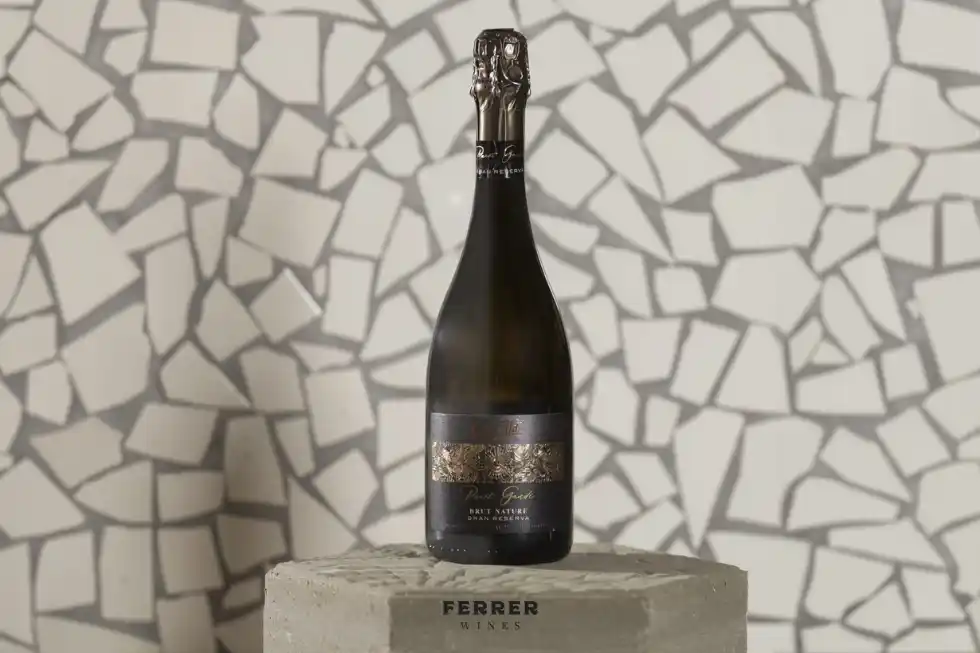
Mediterranean wines Spain. Here, the sea influence brings balance and freshness, especially in whites and sparkling wines.
Wineries in the area combine tradition and modernity, working local varieties alongside international ones. The result is vibrant wines with good acidity and a clearly recognizable Mediterranean character.
Valencia and Murcia: well-managed solar intensity
In the Valencian Community and Murcia, the warm climate translates into wines with character and ripe fruit. However, modern techniques help preserve freshness and balance.
Monastrell, an emblematic variety, proves that the Mediterranean is not synonymous with excess, but rather with well-measured intensity.
Wineries working in these areas focus on:
- Harvesting at the optimal moment
- Temperature control during fermentation
- Balanced barrel aging
The result is expressive yet harmonious wines.
Mediterranean whites: unexpected freshness
Although
Mediterranean wines Spain are often associated with powerful reds, whites also play an important role.
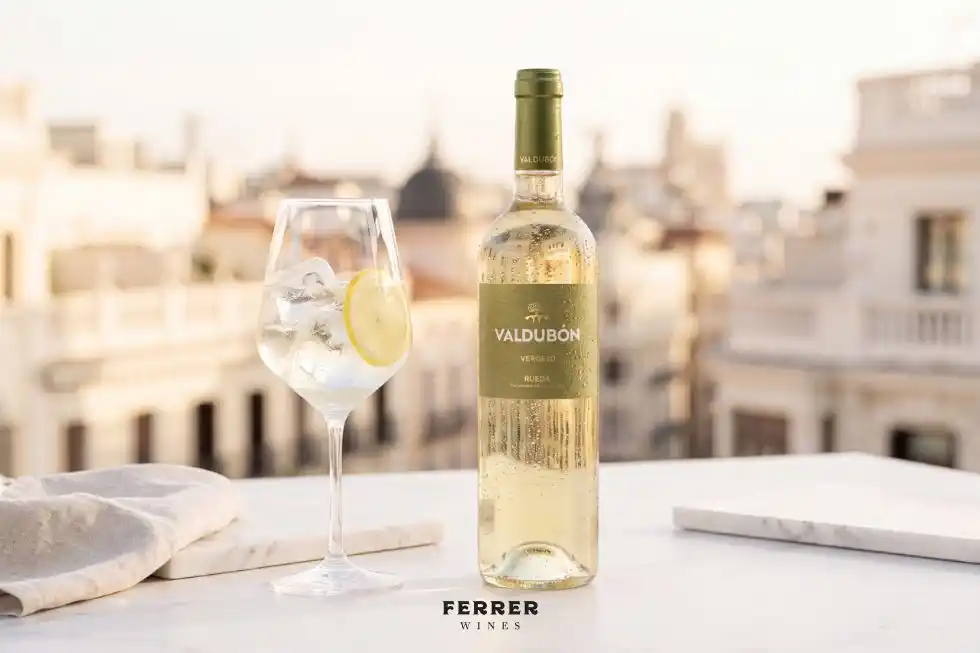
Sea breezes and moderate altitudes make it possible to craft fresh whites with floral and citrus notes, balanced and food-friendly. They are ideal for pairing with Mediterranean cuisine based on fish, seafood, and fresh vegetables.
The role of sustainability
Mediterranean wineries are increasingly committed to environmentally respectful practices:
- Organic farming
- Efficient water management
- Renewable energy
- Respect for biodiversity
The climate demands constant adaptation, and many wineries have found in sustainability a way to preserve the identity of their wines.
Pairings that reflect the territory
One of the greatest attractions of
Mediterranean wines Spain is their natural connection with local gastronomy.
They work especially well with:
- Rice dishes
- Grilled fish
- Grilled meats
- Cuisine with aromatic herbs
- Aged cheeses
The harmony between wine and cuisine is an extension of the territory itself.
How to recognize a Mediterranean wine in the glass
If you want to identify a wine with Mediterranean identity, look for:
- Ripe aromatic intensity that remains balanced
- Good integration of alcohol and acidity
- A warm sensation without heaviness
- A persistent, enveloping finish
A good Mediterranean wine conveys energy and character without losing elegance.
Frequently asked questions about Mediterranean wines Spain
Are they always high-alcohol wines?
Not necessarily. Although the climate favors full ripeness, today’s wineries aim for balance and freshness.
What’s the difference between a Mediterranean wine and an Atlantic wine?
Mediterranean wines tend to be riper and more structured, while Atlantic wines are usually fresher and lighter.
Are they suitable for aging?
Many Mediterranean wines, especially those from Priorat or certain areas in the southeast, have excellent aging potential.
Territory in its purest form
Mediterranean wines Spain represent a direct connection between landscape and wine. They are the result of sun, sea, and a winemaking tradition that has evolved without losing its essence.
From the intense reds of Priorat to the fresh whites of Penedès or the structured wines of the southeast, the Mediterranean offers diversity and personality in every bottle. Choosing a Mediterranean wine means choosing character, authenticity, and an experience that clearly speaks of its territory.