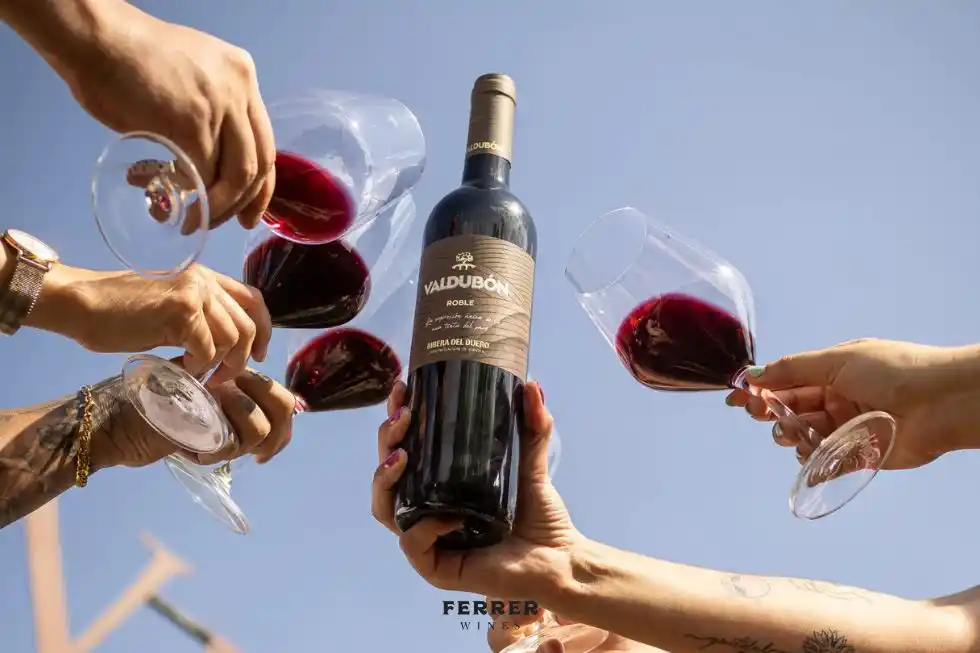



2026 is shaping up to be a promising year for wine lovers. Firstly, Spanish wines are one of the best options you can explore. In addition, they offer a wide variety of flavors that suit any palate. With a rich history, Spain is home to various wine regions that produce exceptional wines. From the vibrant Rioja to the lands of Andalusia, each region offers a unique experience that will delight any palate.
Most Prominent Wine Regions
Spain’s geography and climate create an ideal environment for growing vines. Here are some of the most prominent wine regions:
Trends in Spanish Wine Production
In recent years, Spanish wine production has evolved significantly. Producers are adopting more sustainable practices, which improves the quality of wine. Additionally, many wineries are experimenting with native grape varieties, rescuing grapes that had fallen out of use, enriching the diversity of available wines.
Spanish Wines and Pairings
Spanish wines are versatile and can be paired with a wide variety of dishes. Here are some recommendations:
Interesting Facts About Spanish Wines
According to the Regulatory Council of the Designation of Origin, Spain is the third-largest wine producer in the world, behind Italy and France. In 2021, production reached approximately 37 million hectoliters, reflecting the importance of wine in Spanish culture and economy. Additionally, Spanish wines have gained international recognition, with over 1,000 medals in global wine competitions last year.
The Future of Spanish Wines
The future of Spanish wines looks full of opportunities. With a renewed focus on sustainability, innovation, and quality, producers are well-positioned to continue surprising the world with their creations. If you’re looking to experience the best Spain has to offer, explore the different varieties and styles that these wines offer.
Spanish Wines Trending in 2026
The world of wine is constantly evolving, and Spanish wines are no exception. In 2026, certain regions and wine varieties are expected to gain even more recognition among consumers. From the traditional Rioja to emerging designations of origin, there is an impressive range of options. Here are some of the most notable trends.
1. Wines from the Ribera del Duero Denomination of Origin
Ribera del Duero continues to establish itself as one of the best wine-producing regions in Spain. Its flagship grape, Tempranillo, offers robust and complex wines. According to the Regulatory Council, in 2025, Ribera del Duero production reached a record 100 million bottles, reflecting the growing interest in these Spanish wines.
2. The Rise of Natural Wines
Spanish natural wines are on the rise. More and more wineries are moving away from conventional methods and adopting more sustainable practices. These wines, made with organic grapes and without additives, are capturing the attention of health and environmentally-conscious consumers. In 2026, this trend is expected to continue growing, with a 30% increase in the production of natural wines in Spain.
3. Wines from the Rías Baixas Region
The Rías Baixas region, famous for its Albariño, continues to gain popularity. This white wine is perfect for pairing with seafood dishes, and its demand has increased significantly in recent years. A recent study indicates that Albariño sales in international markets have doubled since 2020.
4. Wines from the Priorat Region
Priorat, known for its powerful and complex wines, is experiencing a renaissance. With its slate soil and Mediterranean climate, this region produces wines that are true works of art. In 2026, it is expected that Spanish wines from Priorat will attract more wine enthusiasts due to the increasing international reputation of its wineries.
5. The Rise of Spanish Sparkling Wines
Sparkling wines, particularly Cava, are gaining ground in the global market. With the increased demand for quality sparkling wines, production of Cava is expected to grow by 20% in 2026. This sparkling wine, produced mainly in Catalonia, offers an affordable alternative to French Champagne.
Frequently Asked Questions (FAQ)
What are the best Spanish wines for beginners?
For those starting in the world of Spanish wines, varieties like Rioja Tempranillo or Rías Baixas Albariño are recommended. Both offer an accessible and pleasant flavor profile.
What Spanish wines are ideal for pairing with food?
Spanish wines like Rioja are perfect for red meats, while Albariño pairs wonderfully with seafood.
How should Spanish wine be served?
Serving temperature is key. Red wines should be served between 16-18°C, while whites and sparkling wines are ideal at 8-10°C.
What makes Spanish wines unique?
Spanish wines stand out due to their diverse regions, grape varieties, and production methods, resulting in a wide range of flavors and styles.
Where can I buy quality Spanish wines?
The best places to purchase Spanish wines include specialized shops, local wineries, and online platforms offering a curated selection of labels.